
Table of Contents
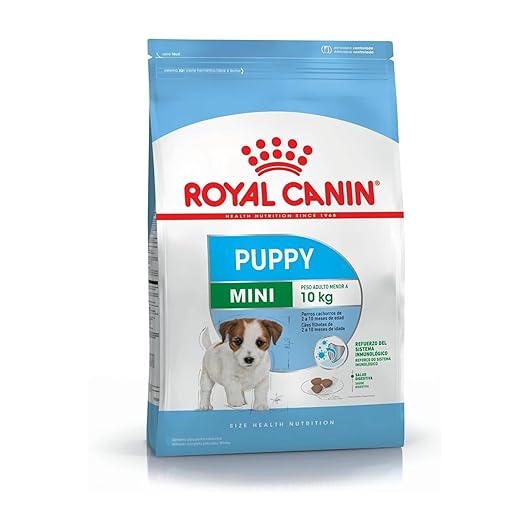
ToggleRoyal Canin Maxi Starter
About this item
Nutritional profile which is adapted to the bitchâ€s high energy needs at end of gestation and during lactation For bitches from the end of gestation and going through lactation. Also weaning puppies under 2 months old age_range_description: baby flavor_name: Meat item_form: pellet breed_recommendation: large
The Ultimate Guide to Canine Perinatal and Lactation Nutrition: A Deep Dive into a Specialized Mother & Baby Formula
Introduction: The Most Nutritionally Demanding Phase of Life
The journey of canine motherhood, from the final stages of gestation through the intense period of lactation and into the delicate weaning of puppies, represents the single most nutritionally demanding chapter in a female dog’s life. The biological burden placed upon a dam is immense; she is quite literally building, sustaining, and nourishing new life from her own bodily resources.
The success of this endeavor—the health of the puppies, the well-being of the mother, and the smooth progression from womb to independence—is profoundly influenced by one critical factor: nutrition.
Providing a standard adult maintenance diet during this time is akin to fueling a high-performance engine with regular gasoline. It is insufficient, potentially detrimental, and fails to meet the exponential increase in energy, protein, vitamin, and mineral requirements.
The consequences of inadequate nutrition can be severe: poor puppy growth and development, weakened immune systems, depleted maternal reserves, weight loss in the bitch, and even conditions like eclampsia (milk fever), which is a life-threatening emergency.
This guide focuses on a specialized nutritional solution engineered explicitly for this vital life stage: A high-energy, highly digestible pellet-form food with a meat flavor, designed for large-breed bitches from the end of gestation, throughout lactation, and for weaning puppies up to two months of age.
We will embark on a detailed exploration of the “why,” “how,” and “what” of this critical nutrition. We will begin by understanding the dramatic physiological changes occurring in the bitch and her puppies, and the precise nutritional demands these changes create.
We will then dissect the specific nutritional science required to meet these demands, analyzing the key components of an optimal diet.
A thorough examination of the product’s form, flavor, and application will follow. Finally, we will provide a practical, step-by-step framework for implementing this diet, ensuring the dam and her litter thrive from the final weeks of pregnancy through the pivotal weaning transition.
Chapter 1: The Physiology of Canine Reproduction and Lactation – Understanding the Demand
To appreciate the necessity of a specialized diet, one must first understand the monumental physiological task the dam undertakes.
1.1 The End of Gestation: A Period of Exponential Growth
Canine gestation lasts approximately 63 days. The first two-thirds of pregnancy involve minimal fetal growth; the nutritional needs of the bitch are only slightly increased above maintenance. However, the final three weeks are a period of explosive fetal development. Up to 70% of the puppies’ growth occurs during this time. The uterus enlarges significantly, and the mammary glands begin to develop.
-
Energy Needs: The dam’s energy requirements can increase by 30-50% above her normal maintenance levels by the end of gestation. This energy is directed toward building puppy tissues, placentas, and supporting maternal bodily changes.
-
Nutrient Priority: The developing puppies act as “parasites” in the most biological sense; they will draw the nutrients they need directly from the mother’s bloodstream. If her diet is deficient, her own bodily reserves of calcium, protein, and fat will be mobilized, potentially compromising her health.
1.2 Lactation: The Peak Nutritional Challenge
Lactation is even more demanding than gestation. The production of milk (canine milk is exceptionally rich in energy, fat, and protein) requires a massive influx of nutrients.
-
Energy Needs: A dam’s energy requirements peak at around 3-4 weeks postpartum. They can be two to four times her normal maintenance requirements, depending on the size of her litter. A large-breed bitch with 8-10 puppies is producing a staggering volume of milk daily.
-
The Milk Production Engine: Canine milk is approximately 8% protein and 9% fat, making it highly calorically dense. To produce this, the mother must consume and metabolize vast amounts of high-quality ingredients. Water intake also skyrockets to support milk fluid volume.
1.3 The Risks of Inadequate Nutrition
Failure to meet these soaring demands leads to predictable problems:
-
For the Bitch:
-
Weight Loss: She will catabolize her own fat and muscle tissue to produce milk, leading to dramatic and unhealthy weight loss.
-
Poor Body Condition: A gaunt, depleted appearance.
-
Eclampsia (Hypocalcemia or Milk Fever): This is a acute, life-threatening drop in blood calcium levels. It occurs when calcium mobilization from bones cannot keep pace with the loss of calcium in milk. It is more common in small breeds but can occur in large ones, especially with poor nutrition. Symptoms include restlessness, panting, muscle tremors, stiffness, seizures, and death if not treated urgently with intravenous calcium.
-
Metabolic Exhaustion: A general state of depletion that weakens her immune system, makes her more susceptible to infections like mastitis, and delays her post-weaning recovery.
-
-
For the Puppies:
-
Poor Growth Rates: Puppies will fail to gain weight at the expected pace (should roughly double their birth weight in the first week).
-
Weakness and Higher Mortality: Smaller, weaker puppies are less vigorous and may fail to thrive.
-
Compromised Immune Function: The quality of the dam’s milk, specifically colostrum (the first milk) and later milk, directly influences the passive immunity and long-term health of the puppies. Poor nutrition leads to lower-quality milk.
-
Developmental Issues: Deficiencies in key nutrients can impact neurological and skeletal development.
-
1.4 The Weaning Period: A Nutritional Bridge for Puppies
Weaning, the process of transitioning puppies from their mother’s milk to solid food, typically begins around 3-4 weeks of age. This is a vulnerable time. Their digestive systems are immature, and they are beginning to rely less on the passive immunity from milk and more on their own developing immune systems. The food used for weaning must be:
-
Highly Palatable: To encourage exploration and consumption.
-
Highly Digestible: To prevent gastrointestinal upset in sensitive puppy stomachs.
-
Nutrient-Dense: To support continued rapid growth without the safety net of milk.
-
Appropriately Formed: Easy for puppies to chew and swallow.
A diet formulated for the dam during lactation naturally serves as the perfect weaning food, as it is designed to be the nutritional successor to her rich milk.
Chapter 2: The Science of Support – Deconstructing the Optimal Nutritional Profile
The required diet is not merely “more food”; it is a precise formulation designed to deliver maximum support with high efficiency.
2.1 High Energy Density: The Fuel for Life
The cornerstone of the diet is its high energy density. This is achieved not through empty calories but through a strategic balance of nutrients.
-
Elevated Fat Levels: Fat provides more than twice the energy per gram than protein or carbohydrates (9 kcal/g vs. 4 kcal/g). A high-fat content (typically 18-22% or more) is essential for meeting the immense caloric demands of milk production. It also provides essential fatty acids for neurological development in puppies.
-
Highly Digestible Carbohydrates: Carbohydrates provide a readily available source of glucose, which is crucial for energy. The carbohydrates must be from highly digestible sources like rice to ensure efficient energy utilization and avoid gut fermentation and upset.
2.2 Superior Protein Quality and Quantity: The Building Blocks
Protein is the fundamental building block for tissue. The dam needs it to maintain her own muscle mass, and the puppies need it for growth.
-
Increased Protein Percentage: The diet must contain a high level of crude protein (often 30% or higher).
-
High Biological Value Protein Sources: The quality of the protein is paramount. Proteins from animal sources like chicken, egg, or fish meal have a high biological value, meaning they contain all the essential amino acids in the right proportions and are highly digestible. This ensures efficient use for tissue building and milk protein (casein) production.
2.3 The Calcium-Phosphorus Nexus: Preventing Eclampsia
This is one of the most critical nutritional balancing acts.
-
Adequate Levels: The diet must contain elevated levels of both calcium and phosphorus to support the massive skeletal development of the puppies in utero and the calcium-rich content of milk.
-
Proper Ratio: The ratio of calcium to phosphorus is crucial for proper absorption and metabolism. An ideal ratio is between 1.2:1 and 1.4:1. This balanced ratio helps prevent the metabolic disturbances that can lead to eclampsia.
-
Important Note: Calcium supplementation outside of a balanced diet is strongly discouraged. Giving calcium pills during pregnancy can suppress the dam’s natural hormonal regulation of calcium, making her more, not less, susceptible to eclampsia after whelping. The correct approach is a complete and balanced diet with the proper calcium levels and ratio. Royal Canin Maxi Starter
2.4 DHA Enrichment: For Brain and Vision Development
Docosahexaenoic Acid (DHA) is an omega-3 fatty acid that is a major structural component of the brain and retina. Royal Canin Maxi Starter
-
Puppy Development: Supplementing the dam’s diet with DHA ensures it is passed through the placenta during gestation and incorporated into her milk during lactation. Studies have shown that puppies from DHA-supplemented mothers have improved cognitive development, trainability, and retinal function. Royal Canin Maxi Starter
-
Maternal Benefit: DHA also supports neurological health in the dam. Royal Canin Maxi Starter
2.5 Digestive Health and Immune Support
The stress of reproduction can make the dam more susceptible to digestive upset. Royal Canin Maxi Starter
-
Prebiotics (FOS & MOS): Fructooligosaccharides (FOS) and Mannan-oligosaccharides (MOS) act as food for beneficial gut bacteria, promoting a healthy microbiome. This supports optimal digestion and nutrient absorption for the dam and is passed on to the puppies through milk, helping to establish their gut health. Royal Canin Maxi Starter
-
Antioxidants (Vitamin E, Vitamin C, etc.): A complex of antioxidants helps support the immune systems of both the dam, who is under stress, and the puppies, who are developing their own innate immunity. Royal Canin Maxi Starter
Chapter 3: Product Deep Dive – The Mother & Puppy Formulation
3.1 The “Meat” Flavor: Palatability is Paramount
During late gestation, the enlarged uterus can put pressure on the stomach, reducing its capacity. During lactation, the dam’s appetite, while large, may be finicky due to stress and exhaustion. Therefore, palatability is non-negotiable.
-
“Meat” Flavor: A strong, savory, meat-based flavor profile is highly appealing to dogs. It encourages the dam to consume the large volumes of food she needs even when her stomach space is limited. It is also incredibly enticing for weaning puppies, who are naturally curious and attracted to the smell of animal protein, making their first forays into solid food much easier. Royal Canin Maxi Starter
3.2 Pellet (Kibble) Form: Functionality and Flexibility
The choice of a dry pelleted form offers several advantages for this application: Royal Canin Maxi Starter
-
Nutritional Consistency: Every kibble is formulated to be nutritionally complete, ensuring the dam and puppies get a consistent balance of nutrients with every bite. Royal Canin Maxi Starter
-
Dental Health: The gentle abrasive action of kibble can help reduce plaque buildup on the dam’s teeth, which is beneficial as dental care often takes a backseat during this busy period.
-
Convenience and Storage: Dry food is easy to measure, store, and keep fresh. A large-breed bitch will be eating significant quantities, so manageable storage is key. Royal Canin Maxi Starter
-
Versatility for Weaning: Kibble can be served dry to the dam. For puppies, it can be easily moistened with warm water or puppy milk replacer to create a soft, gruel-like consistency that is easy for them to lap up and chew with their baby teeth. This makes it a perfect transitional food. Royal Canin Maxi Starter
3.3 Large-Breed Specific Considerations
Formulating for large-breed bitches (e.g., German Shepherds, Labrador Retrievers, Great Danes) adds another layer of specificity.
-
Joint Health Support: Large breeds are predisposed to developmental orthopedic diseases like hip dysplasia. The diet should contain controlled levels of calcium and phosphorus to support steady, controlled growth in puppies and maintain joint health in the dam, whose weight-bearing joints are under stress. Royal Canin Maxi Starter
-
Energy Density Balance: While energy needs are high, the formula must still promote a healthy body condition in the puppies, avoiding excessively rapid growth rates that can exacerbate joint problems. Royal Canin Maxi Starter
-
Kibble Size: The kibble pieces are likely sized appropriately for a large-breed dog’s jaw, making them comfortable to eat for the dam and manageable for large-breed puppies to chew when moistened. Royal Canin Maxi Starter
Chapter 4: Practical Application – A Stage-by-Stage Feeding Guide
Stage 1: Late Gestation (Last 3-4 Weeks of Pregnancy)
-
Action: Transition the bitch from her adult maintenance food to the high-performance gestation/lactation diet. Use a gradual transition over 7-10 days to avoid digestive upset. Royal Canin Maxi Starter
-
Feeding Method: Her appetite may begin to increase. Rather than giving one or two large meals, which may be uncomfortable due to the reduced stomach space, switch to multiple smaller meals (3-4 per day). This helps maintain stable energy levels and improves digestibility. Royal Canin Maxi Starter
-
Monitoring: Her weight should be increasing steadily. Do not allow her to become obese, as this can complicate whelping. Royal Canin Maxi Starter
Stage 2: Whelping and Immediate Postpartum (First 24-48 Hours)
-
Action: The dam may have little to no appetite during active labor and immediately after. This is normal. Royal Canin Maxi Starter
-
Feeding Method: Offer small, tempting meals. Often, warming the food or offering it in a “gruel” form with warm water can encourage eating. Royal Canin Maxi Starter
-
Critical: Ensure she has constant access to fresh, clean water. Dehydration is a serious risk and can impact milk supply.
Stage 3: Peak Lactation (Weeks 2-4 Postpartum)
-
Action: Her food intake needs to skyrocket. DO NOT RESTRICT FOOD. This is the time for free-choice feeding.
-
Feeding Method: Keep a full bowl of dry kibble available to her at all times. She should be allowed to eat as much as she wants, whenever she wants. You will be astonished by how much she can consume. Continue to offer multiple meals if she prefers, but ensure constant availability. Royal Canin Maxi Starter
-
Monitoring: Weigh the puppies daily to ensure they are gaining weight. Monitor the dam’s body condition. She should not be losing significant weight. If she is, you may need to encourage her to eat more frequently or consult your vet. Royal Canin Maxi Starter
Stage 4: Weaning (Puppies 3-8 Weeks Old)
-
Action: Introduce the puppies to solid food. Use the same diet the dam is eating. Royal Canin Maxi Starter
-
Method:
-
~3-4 weeks: Begin by offering a “puppy gruel.” Soak high-quality kibble in warm water or puppy milk replacer until it is completely soft and mushy. Place this in a shallow, flat dish. Allow the puppies to explore, walk in it, and lick it off their paws. Their first experiences will be messy but essential. Royal Canin Maxi Starter
-
~5-6 weeks: As they begin to eat more readily, you can reduce the amount of liquid, making a softer, drier kibble.
-
~7-8 weeks: Puppies should be increasingly eating dry kibble. They will still nurse, but the dam will naturally begin to discourage this as her milk supply dries up. Royal Canin Maxi Starter
-
-
Dam’s Transition: As the puppies eat more solid food and nurse less, the dam’s milk production will decrease. Gradually start to reduce her food intake back to normal pre-pregnancy amounts over the course of a week or so after weaning is complete. A sudden reduction in food while she is still producing some milk could lead to mastitis (inflamed mammary glands). Royal Canin Maxi Starter
Chapter 5: Beyond the Food – Holistic Care for the Dam and Litter
Nutrition is the foundation, but other factors are crucial for success. Royal Canin Maxi Starter
-
Veterinary Partnership: From prenatal checks to post-weaning exams, a veterinarian is an essential partner. They can ultrasound to confirm pregnancy, provide deworming schedules for the dam and puppies, and be on standby for any complications during whelping. Royal Canin Maxi Starter
-
Parasite Control: The dam should be up-to-date on deworming, as intestinal parasites can steal vital nutrients. A vet will provide a protocol for deworming the puppies. Royal Canin Maxi Starter
-
Hygiene and Environment: Keep the whelping box and living area clean to reduce the risk of infection for both the dam and the vulnerable puppies. Royal Canin Maxi Starter
-
Stress Reduction: Provide the dam with a quiet, comfortable, and secure place to whelp and raise her puppies. Minimize unnecessary disturbances. Royal Canin Maxi Starter
Conclusion: Investing in the Future
Providing a diet specifically formulated for late gestation and lactation is not an optional luxury; it is a fundamental requirement for responsible breeding. Royal Canin Maxi Starter
This specialized high-energy, meat-flavored pellet food is a powerful tool that directly supports the dam’s health and vitality during her most challenging time and lays the foundational building blocks for the healthy growth, development, and future well-being of her puppies. Royal Canin Maxi Starter
By understanding the profound physiological demands and meeting them with precision nutrition, breeders and owners can ensure that both mother and puppies not only survive this intense period but truly thrive, setting the stage for a lifetime of health and happiness. It is the ultimate investment in the future of the litter and the preservation of the dam’s own long-term well-beings Royal Canin Maxi Starter



Leave A Comment