
“Drools Adult Dry Dog Food Chicken and Egg Inside Container 5Kg Pack” has been added to your cart. View cart
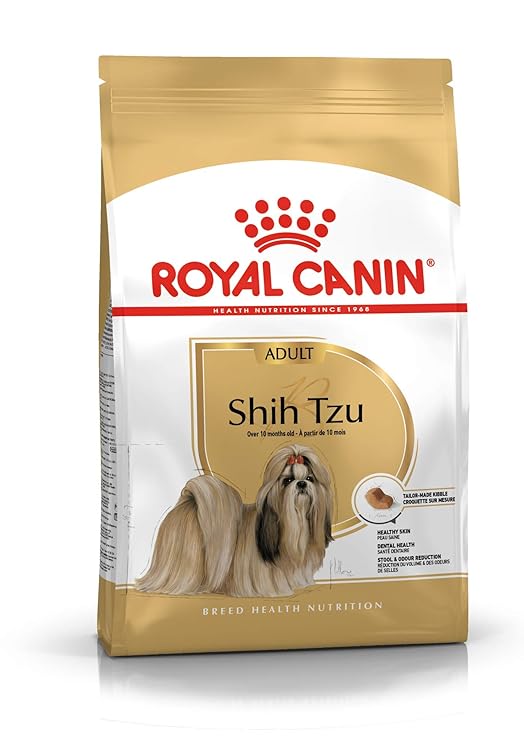
Royal Canin Shih TZU Adult Dog Food, 3 Kg, Dry Food, Supports Healthy Skin & Coat, Dental Health, Helps with Stool & Vitality Boost Odour Reduction
₹3,480.00 Original price was: ₹3,480.00.₹2,999.00Current price is: ₹2,999.00.
Categories: pet food for dogs, ROYAL CANIN, Shih TZU Adult
Description
Royal Canin Shih
| Brand | Royal Canin |
| Flavour | Meat |
| Age Range (Description) | Adult |
| Item Form | Dry |
| Specific Uses For Product | Digestive Health, Skin and Coat, Training and Behaviour |
| Special Ingredients | all naturals |
| Net Quantity | 3000.0 gram |
| Number of Items | 1 |
| Package Information | Bag |
| Item Weight | 3000 Grams |
About this item
- Supports Healthy Skin
-
The Canine Integumentary System: A Comprehensive Guide to Achieving and Maintaining Healthy Skin Through Superior Nutrition
Introduction: The Body’s Living Armor
A dog’s skin is far more than a mere covering; it is the largest organ in the body, a dynamic, living interface between the internal physiology and the external world. It is a marvel of biological engineering, serving as a protective barrier, a temperature regulator, a sensory apparatus, and a visual indicator of overall health. When a dog’s skin is healthy, it is a testament to a well-functioning internal system. Royal Canin Shih
When it is compromised, it is often the first and most visible alarm bell, signaling nutritional deficiencies, environmental assaults, or underlying disease. Royal Canin Shih
The claim “Supports Healthy Skin” on a bag of dog food is one of the most significant promises a pet food manufacturer can make. It is a declaration that the product within is formulated not just to satiate hunger, but to actively nourish and fortify this complex organ from the inside out. Royal Canin Shih
This is not a passive process; it is an active, ongoing construction project that requires a constant and abundant supply of specific raw materials.
This definitive guide will delve into the intricate world of canine dermatological health. We will explore the sophisticated anatomy and function of the skin, deconstruct the myriad factors that can compromise its integrity, and ultimately, provide a deep and scientific analysis of how targeted nutrition—rich in specific proteins, Royal Canin Shih
fats, vitamins, and minerals—serves as the most powerful tool in a pet owner’s arsenal to support a resilient, vibrant, and healthy dermal ecosystem. Understanding this connection is the first step toward ensuring your dog’s comfort, vitality, and long-term well-being. Royal Canin Shih
Volume I: The Anatomy and Physiology of Canine Skin – A Layer-by-Layer Analysis
To understand how to support skin health, one must first appreciate its complex structure and multifaceted functions.
1.1 The Three Primary Layers of the Skin Royal Canin Shih
The skin is a multi-layered organ, each stratum with a distinct and vital role: Royal Canin Shih
-
The Epidermis (The Outer Barrier): This is the outermost layer, the one we see and touch. It is primarily composed of cells called keratinocytes, which produce the tough, fibrous protein keratin. Royal Canin Shih
-
Function: The epidermis is the body’s first line of defense. It forms a waterproof, protective barrier against environmental pathogens (bacteria, viruses, fungi), allergens, chemicals, and physical trauma. It also prevents the loss of essential water and electrolytes from the body. Royal Canin Shih
-
The Process of Keratinization: New skin cells are born at the deepest part of the epidermis and gradually migrate outward. As they do, they fill with keratin and eventually die, forming a tough, outer layer of dead cells called the stratum corneum. This process is constant; a healthy epidermis is always regenerating. This entire process is utterly dependent on a steady supply of nutrients. Royal Canin Shih
-
-
The Dermis (The Support Layer): Located beneath the epidermis, the dermis is a thick layer of connective tissue that gives the skin its strength and elasticity. Royal Canin Shih
-
Composition: It is a rich matrix of collagen and elastin fibers, blood vessels, nerve endings, hair follicles, and sebaceous (oil) glands. Royal Canin Shih
-
Function: Royal Canin Shih
-
Structural Support: Collagen provides tensile strength, while elastin allows the skin to stretch and recoil. Royal Canin Shih
-
Nourishment: A vast network of capillaries supplies oxygen and nutrients to both the dermis and the avascular epidermis. Royal Canin Shih
-
Sensation: Nerve endings detect touch, pressure, temperature, and pain. Royal Canin Shih
-
Hair Growth and Oil Production: Hair follicles anchor each hair, and sebaceous glands secrete sebum, an oily substance that lubricates the skin and coat, providing additional waterproofing and antimicrobial protection. Royal Canin Shih
-
-
-
The Hypodermis (The Subcutaneous Layer): This is the deepest layer, consisting primarily of adipose (fat) tissue and connective tissue. Royal Canin Shih
-
Function: It acts as an insulator, conserving body heat, and as a shock absorber, protecting internal organs from physical impact. It also stores energy in the form of fat.
-
1.2 The Skin’s Multifunctional Role
The skin’s responsibilities extend far beyond being a simple barrier: Royal Canin Shih
-
Thermoregulation: When a dog is hot, blood vessels in the dermis dilate (vasodilation) to release heat, and sweat glands on the paw pads moisten the skin to aid cooling through evaporation. When cold, vessels constrict (vasoconstriction) to conserve heat. Royal Canin Shih
-
Immunological Defense: Specialized immune cells within the skin, such as Langerhans cells, are constantly on patrol, identifying and neutralizing invading pathogens before they can cause infection. Royal Canin Shih
-
Synthesis of Vitamin D: When exposed to sunlight, the skin synthesizes Vitamin D, which is essential for calcium absorption and bone health. Royal Canin Shih
-
Communication: The skin and coat are part of a dog’s non-verbal communication system. Pilocrection (hackles raising) can signal arousal, fear, or aggression.
Volume II: The Visible Signs of an Unhealthy Skin Ecosystem
When the skin is deprived of its essential building blocks or is under attack, its function deteriorates, leading to a range of clinical signs. Recognizing these signs is crucial for early intervention.
-
Dry, Flaky Skin (Scaling): Often the first sign of a problem. It indicates a disruption in the keratinization process, frequently due to essential fatty acid deficiencies, poor-quality protein intake, or low humidity.
-
Dull, Brittle, or Oily Coat: The coat is a direct extension of the skin. A lackluster, dry, or excessively greasy coat reflects imbalances in sebum production and hair follicle health.
-
Excessive Shedding: While shedding is normal, a sudden increase or patchy hair loss (alopecia) can point to nutritional deficiencies, allergies, or endocrine disorders.
-
Pruritus (Itching): One of the most common and distressing signs. It can be caused by parasites (fleas, mites), allergies (environmental, food), dry skin, or infections. Constant scratching, licking, chewing, and rubbing against furniture are telltale behaviors.
-
Redness and Inflammation (Erythema): A sign of irritation, allergic reaction, or infection. The skin may appear pink or reddened and feel warm to the touch.
-
Hot Spots (Acute Moist Dermatitis): These are painful, inflamed, infected, and often oozing lesions that appear suddenly and spread rapidly. They are typically triggered by intense chewing or licking in response to an underlying itch.
-
Odor: A healthy dog should not have a strong, offensive odor. A foul smell often indicates a bacterial or yeast infection thriving on the skin’s surface.
-
Lumps, Bumps, and Lesions: These can range from benign cysts and warts to more serious conditions like tumors or deep bacterial infections (abscesses).
Volume III: The Nutritional Cornerstones of Canine Skin Health
The skin is a metabolically active organ that requires a constant influx of specific nutrients to maintain its structure, function, and regenerative capabilities. A diet that “Supports Healthy Skin” is rich in the following components:
3.1 The Foundation: High-Quality, Bioavailable Animal Protein
-
Why Protein is Non-Negotiable: The skin and coat can account for up to 30% of a dog’s daily protein requirement. Hair is composed of 95% protein, primarily keratin. A diet deficient in high-quality protein, or one that provides protein with an incomplete amino acid profile, directly results in poor hair growth, weak hair shafts, increased shedding, and impaired skin repair.
-
Amino Acids: The Building Blocks: Certain amino acids are particularly critical:
-
Methionine and Cysteine: These sulfur-containing amino acids are fundamental constituents of keratin. They are essential for hair strength and growth.
-
Lysine: Plays a key role in collagen formation and the absorption of calcium, which is important for skin cell turnover.
-
Arginine: Supports immune function and wound healing within the skin.
-
-
Source Matters: Animal-based proteins (chicken, beef, fish, lamb, eggs) provide a complete and highly bioavailable profile of these essential amino acids. Plant-based proteins are often incomplete and less digestible, making them inferior primary sources for skin support.
3.2 The Secret to Shine and Barrier Function: Essential Fatty Acids (EFAs)
Fats are the second most critical component for skin health, responsible for the skin’s integrity and the coat’s shine.
-
Omega-6 Fatty Acids (Linoleic Acid):
-
Role: Linoleic Acid (LA) is the most important Omega-6 for skin health. It is a vital component of the skin’s ceramides, the “glue” that holds skin cells together in the stratum corneum. This creates a strong, impermeable barrier that locks moisture in and keeps irritants out.
-
Deficiency: A lack of LA leads to a compromised skin barrier. Water evaporates quickly (transepidermal water loss), resulting in dry, scaly, itchy skin. The coat becomes dull and dry.
-
Sources: Poultry fat, sunflower oil, safflower oil.
-
-
Omega-3 Fatty Acids (EPA and DHA):
-
Role: Eicosapentaenoic acid (EPA) and Docosahexaenoic acid (DHA), primarily from marine sources, are powerful anti-inflammatories. They help modulate the body’s inflammatory response, reducing the itching, redness, and swelling associated with allergies, autoimmune skin diseases, and other inflammatory conditions.
-
Synergy with Omega-6: They work in balance with Omega-6s. While Omega-6s are necessary for the skin barrier, they can also be pro-inflammatory when metabolized. Omega-3s counteract this, promoting a healthy, calm skin state.
-
The Ideal Ratio: A diet aimed at skin health should have a balanced Omega-6 to Omega-3 ratio, typically between 5:1 and 10:1.
-
Sources: Fish oil (e.g., salmon, herring, sardine), krill oil.
-
3.3 The Micronutrient Support Team: Vitamins and Minerals
A cast of vitamins and minerals act as essential cofactors in the countless enzymatic reactions that maintain skin health.
-
Vitamin A:
-
Role: Regulates cellular growth and differentiation. It is crucial for the proper keratinization process, ensuring the epidermis forms a strong, functional barrier.
-
Source: Pre-formed Vitamin A (retinol) from animal sources like liver, eggs, and fish oils. Dogs cannot efficiently convert beta-carotene from plants.
-
-
B-Complex Vitamins:
-
Biotin (B7): Often called the “skin vitamin.” It is essential for the metabolism of proteins and fats, directly supporting the health of the skin, coat, and claws. Deficiency causes dry skin, hair loss, and a scaly dermatitis.
-
Niacin (B3): Deficiency leads to “canine pellagra,” characterized by inflamed skin, diarrhea, and dementia.
-
Riboflavin (B2): Important for cellular energy production. Deficiency can cause dermatitis and hair loss.
-
Sources: Meat, liver, eggs, legumes, whole grains.
-
-
Vitamin E:
-
Role: A potent antioxidant that protects skin cells from damage caused by free radicals generated by UV exposure, pollution, and normal metabolism. It helps maintain cell membrane integrity and soothes dry, itchy skin.
-
Source: Vegetable oils, leafy greens, nuts, seeds.
-
-
Zinc:
-
Role: Absolutely critical for skin health. It is a cofactor for over 300 enzymes involved in protein synthesis, cell division, and wound healing. It also supports immune function.
-
Deficiency: Causes a classic syndrome including crusting, scaling, and hair loss, particularly around the eyes, mouth, and pressure points. Some breeds like Siberian Huskies and Alaskan Malamutes have a genetic predisposition to poor zinc absorption.
-
Sources: Meat, liver, eggs, seafood, pumpkin seeds.
-
-
Copper:
-
Role: Necessary for the formation of collagen and elastin, the proteins that give skin its strength and elasticity. It also plays a role in pigmentation.
-
Source: Liver, seafood, whole grains, legumes.
-
Volume IV: The Enemy at the Gates – Common Causes of Skin Dysfunction
Even with excellent nutrition, other factors can challenge skin health. A holistic approach addresses these.
-
Parasites: Fleas, mites ( causing Sarcoptic and Demodectic mange), and ticks are a primary cause of intense itching, inflammation, and secondary infections. Consistent, vet-recommended parasite prevention is non-negotiable.
-
Allergies: Royal Canin Shih
-
Environmental Allergies (Atopy): Reactions to pollen, mold, dust mites, and dander. These are often seasonal and cause licking of paws, rubbing of the face, and itchy skin. Royal Canin Shih
-
Flea Allergy Dermatitis (FAD): An intense allergic reaction to the saliva of fleas. Just one bite can trigger a severe, body-wide reaction. Royal Canin Shih
-
Food Allergies/Intolerances: While less common than environmental allergies, they can cause similar signs. Common culprits include certain proteins (beef, dairy, chicken) or grains. True food allergies require a strict elimination diet to diagnose. Royal Canin Shih
-
-
Infections: Royal Canin Shih
-
Bacterial Infections (Pyoderma): Often secondary to another problem like allergies or parasites. Manifest as pustules, papules, and crusts. Royal Canin Shih
-
Yeast Infections (Malassezia Dermatitis): Caused by an overgrowth of normal skin yeast. Leads to itchy, greasy, reddened skin with a characteristic “corn chip” odor, often in the ears, between paw pads, and in skin folds. Royal Canin Shih
-
-
Endocrine Disorders: Conditions like hypothyroidism and Cushing’s disease disrupt hormone levels, leading to symptoms like hair loss, skin thinning, hyperpigmentation, and poor coat quality. Royal Canin Shih
-
Environmental Factors: Low humidity, especially in winter with indoor heating, can dehydrate the skin. Harsh shampoos or over-bathing can strip the skin of its natural protective oils. Royal Canin Shih
Volume V: The Practical Application – Choosing and Using a Skin-Supportive Diet
5.1 How to Read a Label for Skin Health
When selecting a food that “Supports Healthy Skin,” look for:-
Named Animal Protein as the First Ingredient: e.g., “Deboned Chicken,” “Salmon Meal,” “Lamb.” This indicates a high-quality protein source.
-
Named Animal Fat Sources: e.g., “Chicken Fat,” (a great source of Linoleic Acid) rather than generic “animal fat.”
-
Inclusion of Omega-3 Sources: Look for “fish oil,” “salmon oil,” or “flaxseed” (though marine sources provide the more beneficial EPA/DHA).
-
Chelated Minerals: These are minerals bound to proteins, making them more bioavailable for the body to use.
-
Avoidance of Unnecessary Fillers: While some carbohydrates are fine, an over-reliance on corn, wheat, and soy can dilute the concentration of skin-supportive nutrients.
5.2 The Role of Supplemental Support
Even with a great diet, some dogs may benefit from additional support:-
Fish Oil Supplements: A high-quality fish oil liquid or capsule is the most direct way to boost EPA and DHA intake for anti-inflammatory benefits.
-
Zinc Supplements: May be recommended by a vet for breeds prone to deficiency.
-
Probiotics: Emerging research suggests a healthy gut microbiome is linked to a healthy skin microbiome and a balanced immune response.
5.3 The Holistic Regimen
Nutrition is the foundation, but it must be part of a complete care plan:-
Regular Grooming: Brushing distributes natural oils, removes dead hair and dander, and stimulates blood flow to the skin.
-
Appropriate Bathing: Use only a gentle, oatmeal-based or moisturizing shampoo designed for dogs. Over-bathing can be detrimental.
-
Adequate Hydration: Always ensure access to fresh, clean water. Hydration is crucial for maintaining skin moisture.
-
Veterinary Partnership: Any persistent skin issue warrants a veterinary examination to rule out parasites, infections, and endocrine diseases. A vet can provide an accurate diagnosis and treatment plan, of which diet will be a central component.
Conclusion: Nutrition as the Bedrock of Dermatological Wellness
The statement “Supports Healthy Skin” is a profound commitment. It signifies an understanding that the vibrant, resilient skin and glossy coat we desire in our canine companions are not products of topical treatments or luck. They are the direct result of internal nourishment.
Achieving healthy skin is a proactive, daily endeavor fueled by a diet abundant in bioavailable animal protein, balanced essential fatty acids, and a full spectrum of vitamins and minerals. This nutritional foundation builds a powerful skin barrier, supports continuous regeneration, modulates inflammation, and provides the resources needed to combat environmental challenges.
By choosing a food engineered with this precise goal in mind, you are doing more than feeding your dog. You are investing in their comfort, their dignity, and their fundamental health. You are providing the raw materials to maintain their body’s living armor, ensuring they are not only protected from the outside world but are also thriving from the inside out. A healthy skin is a visible indicator of a cherished and well-cared-for life, and it all begins in the bowl.
-
Be the first to review “Royal Canin Shih TZU Adult Dog Food, 3 Kg, Dry Food, Supports Healthy Skin & Coat, Dental Health, Helps with Stool & Vitality Boost Odour Reduction” Cancel reply
Related products
-
Sale!
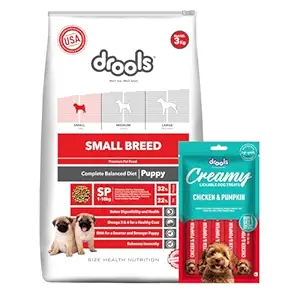
Drools Small Breed Puppy Dog Food
₹999.00Original price was: ₹999.00.₹879.00Current price is: ₹879.00. -
Sale!

Drools Adult Dry Dog Food Chicken and Egg Inside Container 5Kg Pack
₹999.00Original price was: ₹999.00.₹850.00Current price is: ₹850.00. -
Sale!

Pedigree® Tasty Jerky™ Dog Treat
₹170.00Original price was: ₹170.00.₹150.00Current price is: ₹150.00. -
Sale!
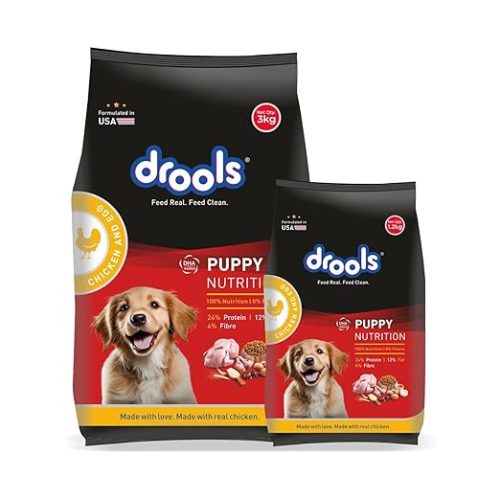
Drools Puppy Dry Dog Food Chicken and Egg, 3kg with Free 1.2kg
₹899.00Original price was: ₹899.00.₹747.00Current price is: ₹747.00.
Reviews
There are no reviews yet.