Building an Iron-Clad Immune System: Supports Digestive Health
How [Product Name] Nurtures Your Supports Digestive Health
Medium-Breed Puppy’s Natural Defenses From the Start Supports Digestive Health
Introduction: The Most Important Investment You’ll Ever Make
The arrival of a new puppy into your home is a seismic event, a whirlwind of joy, mischief, and boundless affection. For owners of medium-breed puppies—the future Border Collies, Spaniels, Bulldogs, and
Australian Shepherds of the world—this period is especially dynamic. Supports Digestive Health
These dogs are bundles of energy and intelligence, poised for a life of activity and companionship. In these first critical months, every choice you make lays the foundation for their future. And no choice is more consequential than the food you place in their bowl. Supports Digestive Health
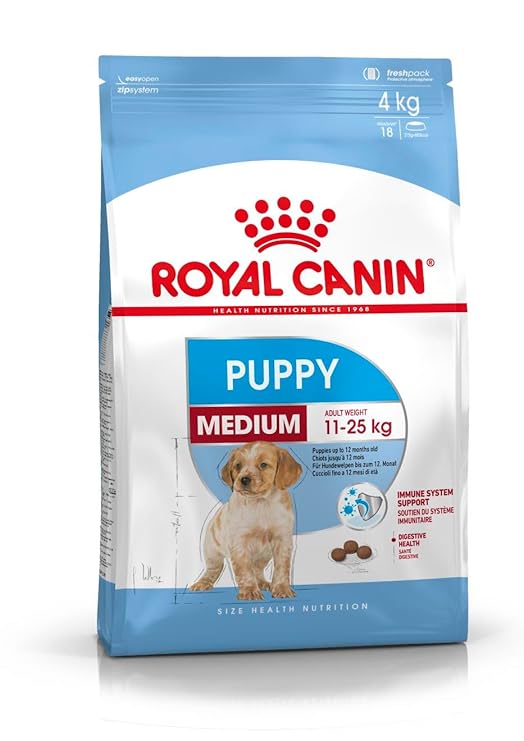
The promise etched on the bag—”Helps support the puppy’s natural defences“—is arguably the most significant claim a puppy food can make. Supports Digestive Health
It is a declaration that this product is engineered to do far more than simply promote growth; it is formulated to construct and fortify the intricate and sophisticated biological fortress that is the immune system. v
A puppy’s immune system is their primary shield against the invisible world of pathogens, allergens, and environmental stressors they will encounter throughout their life.
This comprehensive guide is dedicated to unraveling the science behind this vital promise. We will explore the fascinating development of the canine immune system, identify Supports Digestive Health
the key nutritional building blocks required for its optimal function, and provide a detailed analysis of how this specific
dry, non-vegetarian, meat-flavored formula, designed for medium-sized puppy breeds, delivers on its Supports Digestive Health commitment to foundational health. With an item weight of 2.2
units contained within a single bag, this product represents a concentrated investment in your puppy’s long-term vitality, resilience, and well-being. Supports Digestive Health
Volume I: The Puppy’s Immune System – A Developing Shield
A puppy is not born with a fully operational immune system. Instead, they are born with a naive immune system that must be educated and strengthened over time. Understanding this development is key to appreciating the role of nutrition. Supports Digestive Health
1.1 The Three Lines of Defense
The immune system is a complex network of cells, tissues, and organs that work in concert to protect the body. It operates through three layered lines of defense: Supports Digestive Health
-
First Line: Physical and Chemical Barriers: This is the body’s initial fortification. Supports Digestive Health
-
The Skin: The physical barrier that prevents most pathogens from entering the body. A healthy, intact skin surface is the first and most important defense. Supports Digestive Health
-
Mucous Membranes: The linings of the respiratory, digestive, and urogenital tracts secrete mucus that traps invaders. Supports Digestive Health
-
Chemical Defenses: Stomach acid, enzymes in saliva and tears, and antimicrobial peptides in the skin all work to destroy pathogens on contact. Supports Digestive Health
-
Second Line: Innate (Non-Specific) Immune Response: If a pathogen breaches the first line, the innate system provides a rapid, general response. Supports Digestive Health
-
Cells: White blood cells like phagocytes (neutrophils, macrophages) engulf and destroy invaders. Natural Killer (NK) cells target and kill virus-infected cells and some tumor cells.
-
Processes: Inflammation (redness, heat, swelling) is a key part of this response, helping to isolate the area and recruit immune cells. Fever can also inhibit bacterial growth. Supports Digestive Health
-
Third Line: Adaptive (Specific) Immune Response: This is a highly specialized, slower response that develops over a puppy’s first few months and provides long-lasting immunity. Supports Digestive Health
-
Cells: B-cells and T-cells are the stars of this system. B-cells produce antibodies—specialized proteins that neutralize specific pathogens. T-cells directly destroy infected cells or help coordinate the immune response.
-
Immunological Memory: The defining feature of this system. After an infection, memory B and T cells remain, allowing for a much faster and stronger response if the same pathogen is encountered again. This is the principle behind vaccination.
1.2 The Critical Window of Development
A puppy’s immune system undergoes dramatic development from birth through their first year.
-
Passive Immunity: For the first 24-48 hours after birth, puppies ingest antibody-rich colostrum from their mother’s milk. This provides crucial, but temporary, passive immunity for the first few weeks of life.
-
The Immunity Gap: As the maternal antibodies wane (typically around 6-16 weeks), the puppy’s own immune system is still maturing. This period is known as the “immunity gap,” where the puppy is most vulnerable to infections.
-
Active Immunity: During this gap and beyond, the puppy’s adaptive immune system is “learning.” Every exposure to a new pathogen, whether through controlled vaccination
-
or environmental contact, helps educate and strengthen this system. Nutrition provides the essential tools for this education process to occur effectively.
Volume II: The Nutritional Architecture of Immunity – Deconstructing the Formula
The claim to support natural defenses is a promise built on a solid foundation of specific, bioavailable nutrients. This non-vegetarian, dry kibble with a meat flavor is meticulously designed to deliver these nutrients in their most effective form.
2.1 The Bedrock: High-Quality Animal Protein (#1: material_features:non-vegetarian | flavor_name:meat)
The commitment to a non-vegetarian formula with a rich meat flavor is the cornerstone of immune support. This is not a preference; it is a biological necessity.
-
Antibodies are Proteins: Every antibody, cytokine, and immune cell is built from amino acids, the building blocks of protein. A diet deficient in high-quality, bioavailable
-
protein directly compromises the body’s ability to manufacture these critical defense molecules.
-
A Complete Amino Acid Profile: Animal-based proteins from sources like chicken, lamb, or fish provide a “complete” profile of all ten essential amino acids that puppies cannot synthesize on their own.
-
Plant proteins are often incomplete and less digestible, making them inferior for supporting the rapid, protein-intensive process of immune development.
-
Specific Immune-Supportive Amino Acids:
-
Arginine: Crucial for T-cell function and wound healing.
-
Glutamine: A primary fuel source for immune cells, particularly those lining the gut.
-
Palatability Ensures Intake: The intense meat flavor ensures the puppy consumes the full, nutritionally complete meal, guaranteeing they receive every vital nutrient required for their developing defenses.
2.2 The Gut-Immune Axis: The Frontline of Defense
Over 70% of the immune system is located in the gut, in tissue called Gut-Associated Lymphoid Tissue (GALT). The health of the gastrointestinal tract is therefore inextricably linked to overall immune competence.
-
Prebiotics: Fuel for Beneficial Bacteria: Many high-quality puppy foods include prebiotic fibers (e.g., Fructooligosaccharides (FOS) or Mannan-oligosaccharides (MOS)).
-
These fibers are not digested by the puppy but are fermented by beneficial gut bacteria (the microbiome). A healthy microbiome crowds out harmful bacteria, strengthens the gut lining, and directly stimulates the immune cells within the GALT.
-
Highly Digestible Ingredients: A formula that is highly digestible ensures nutrients are absorbed efficiently and minimizes undigested material that can feed harmful bacteria and cause gastrointestinal upset, which can stress the immune system.
-
The Dry Kibble Advantage (#2: form_factor:dry | item_form:dry): The dry kibble format supports a healthy gut by encouraging chewing, which stimulates saliva production (containing antimicrobial enzymes), and provides a stable, consistent matrix for incorporating prebiotics and other functional nutrients.
2.3 The Micronutrient Arsenal: Vitamins and Minerals
A symphony of vitamins and minerals acts as essential cofactors for every stage of the immune response.
-
Vitamin E: A powerful fat-soluble antioxidant that protects immune cells from damage caused by free radicals generated during the inflammatory response. This allows these cells to function more effectively.
-
Vitamin A: Critical for maintaining the integrity of the skin and mucous membranes (the first line of defense). It also plays a vital role in the function of white blood cells.
-
B-Vitamins: Act as coenzymes in energy production, ensuring immune cells have the energy required to mount a rapid and effective response.
-
Vitamin D: Modulates both innate and adaptive immune responses. It enhances the pathogen-fighting ability of monocytes and macrophages and helps regulate T-cell function.
-
Zinc: Perhaps the most critical mineral for immune function. It is essential for the normal development and function of cells mediating innate immunity (neutrophils, NK cells). Zinc deficiency rapidly impairs both innate and adaptive immunity.
-
Selenium: Works synergistically with Vitamin E as an antioxidant and is crucial for the proper function of various immune cells.
-
Iron: Necessary for immune cell proliferation and maturation, particularly lymphocytes. However, it must be carefully balanced, as excess iron can promote bacterial growth.
2.4 The Power of Omega-3 Fatty Acids
While often associated with skin and brain health, Omega-3s (specifically EPA and DHA from fish oil) are potent immune modulators.
-
Anti-Inflammatory Action: They are converted into anti-inflammatory compounds that help resolve inflammation once an infection is cleared. This prevents the immune system from becoming overactive and causing collateral damage to the body’s own tissues.
-
Cell Membrane Fluidity: They are incorporated into the membranes of immune cells, improving their flexibility and ability to communicate and respond to threats.
Volume III: Tailored for Growth – The “Medium” Breed “Puppy” Specification
The age_range_description: puppy and breed_recommendation: medium specifications are not arbitrary; they are precise targeting based on physiological need.
3.1 The Demands of the Medium-Breed Puppy
Medium-breed puppies (e.g., Border Collies, Australian Shepherds, Springer Spaniels, Bulldogs) have a unique growth trajectory compared to their small and giant breed counterparts.
-
Balanced Growth Rate: They grow faster than small breeds but slower than giant breeds. This requires a carefully balanced calcium-to-phosphorus ratio to support robust
-
skeletal development without promoting the excessively rapid growth that can lead to orthopedic disorders.
-
High Energy Requirements: Many medium breeds are working or sporting dogs with high energy levels and intelligence. Their food must be calorie-dense and packed with high-quality fats and proteins to fuel their growth and activity without overfeeding.
-
Kibble Size and Texture: The kibble in this 2.2 lb bag is designed for a medium-breed puppy’s jaw. It is large enough to encourage chewing (aiding dental health) but small and palatable enough for them to eat easily.
3.2 Immune Vulnerabilities During Puppyhood
The puppy stage is precisely when immune support is most critical.
-
The Immunity Gap: As discussed, the period of declining maternal antibodies and a still-maturing adaptive system is a window of vulnerability. Optimal nutrition provides the resources to build a strong native immune system as quickly and efficiently as possible.
-
Stress of New Environments: Bringing a puppy home is stressful. They are exposed to new people, animals, and environments. Stress hormones like cortisol can suppress immune function. A diet rich in immune-supportive nutrients helps counteract this temporary immunosuppression.
-
Vaccination Response: Vaccinations work by stimulating the adaptive immune system to create memory cells. A well-nourished puppy will mount a more effective and robust antibody response to vaccinations, leading to better protection.
Volume IV: Beyond the Bowl – A Holistic Approach to Immune Health
While nutrition is the cornerstone, a multi-faceted approach is essential for building unwavering immunity.
4.1 The Role of the Veterinarian
-
Vaccination Schedule: Adhering to a veterinarian-recommended vaccination protocol is non-negotiable for protecting against common, serious diseases like parvovirus, distemper, and rabies.
-
Parasite Prevention: Consistent use of vet-prescribed preventatives for fleas, ticks, and heartworm is crucial. These parasites are not just a nuisance; they can transmit diseases and chronically activate and drain the immune system.
-
Regular Check-ups: Routine wellness exams allow for early detection of potential problems before they become serious.
4.2 Management and Environment
-
Reducing Stress: Provide a safe, predictable environment, positive reinforcement training, and plenty of opportunities for rest. A stressed puppy is a immunocompromised puppy.
-
Appropriate Socialization: Controlled exposure to new sights, sounds, people, and vaccinated dogs during the critical socialization period helps build a confident, resilient puppy.
-
However, this should be balanced with caution to avoid exposure to unvaccinated dogs or high-risk areas (like dog parks) before vaccinations are complete.
-
Hygiene: Practicing good hygiene, such as washing food and water bowls regularly and cleaning up after your puppy, helps reduce the pathogen load in their environment.
4.3 The Power of Sleep
Puppies need a tremendous amount of sleep (18-20 hours a day). Sleep is when the body repairs itself and the immune system consolidates its “learning.” Ensuring your puppy has a quiet,
comfortable place for uninterrupted rest is a critical part of supporting their defenses.
Volume V: The Owner’s Manual – Practical Implementation
5.1 The Transition to a New Food
When introducing this new food, a gradual transition over 7-10 days is essential to avoid gastrointestinal upset, which can stress the immune system.
-
Days 1-2: 25% new food + 75% old food.
-
Days 3-4: 50% new food + 50% old food.
-
Days 5-6: 75% new food + 25% old food.
-
Day 7+: 100% new food.
Monitor your puppy’s stool throughout this process.
5.2 Feeding Guidelines
Always follow the feeding guide on the bag based on your puppy’s current weight and anticipated adult weight. These are guidelines.
The optimal amount depends on your individual puppy’s metabolism, activity level, and body condition. Regularly assess your puppy; you should be able to feel their ribs with a slight fat covering, and they should have a visible waist.
5.3 Proper Storage: Preserving Nutritional Integrity
The instruction to store the bag in a cool, dry place is vital. The fats and fat-soluble vitamins (A, D, E, K) that are critical for immune health are susceptible to degradation
when exposed to heat, light, and humidity, which can lead to rancidity and nutrient loss. Keep the bag tightly sealed.
5.4 The Importance of Fresh Water
Always provide unlimited access to fresh, clean water. Water is essential for every metabolic process, including the circulation of immune cells and the production of lymph. Supports Digestive Health
Conclusion: The Foundation of a Lifetime of Vitality Supports Digestive Health
Choosing the right food for your medium-breed puppy is one of the most impactful decisions you will make as a pet owner. It is an active choice to invest in their invisible armor, to build their resilience from the inside out.
Supports Digestive Health
This product is more than a 2.2 lb bag of dry, meat-flavored kibble. It is a scientifically formulated defense strategy. Its non-vegetarian composition provides the premium protein required to build immune cells and antibodies.
Supports Digestive Health
Its blend of antioxidants, vitamins, minerals, and functional nutrients like prebiotics actively supports and modulates the immune response at every level. Its design for medium puppies ensures this support is delivered in a form perfectly tailored to their unique growth and energy needs.
Supports Digestive Health
By choosing this food, you are providing more than nutrition; you are providing the essential tools your puppy’s body needs to develop a powerful, intelligent, and balanced immune system.
You are not just feeding for today; you are building the foundation for a lifetime of fearless exploration, vibrant health, and unwavering vitality. You are giving your best friend the best possible start. Supports Digestive Health



Reviews
There are no reviews yet.